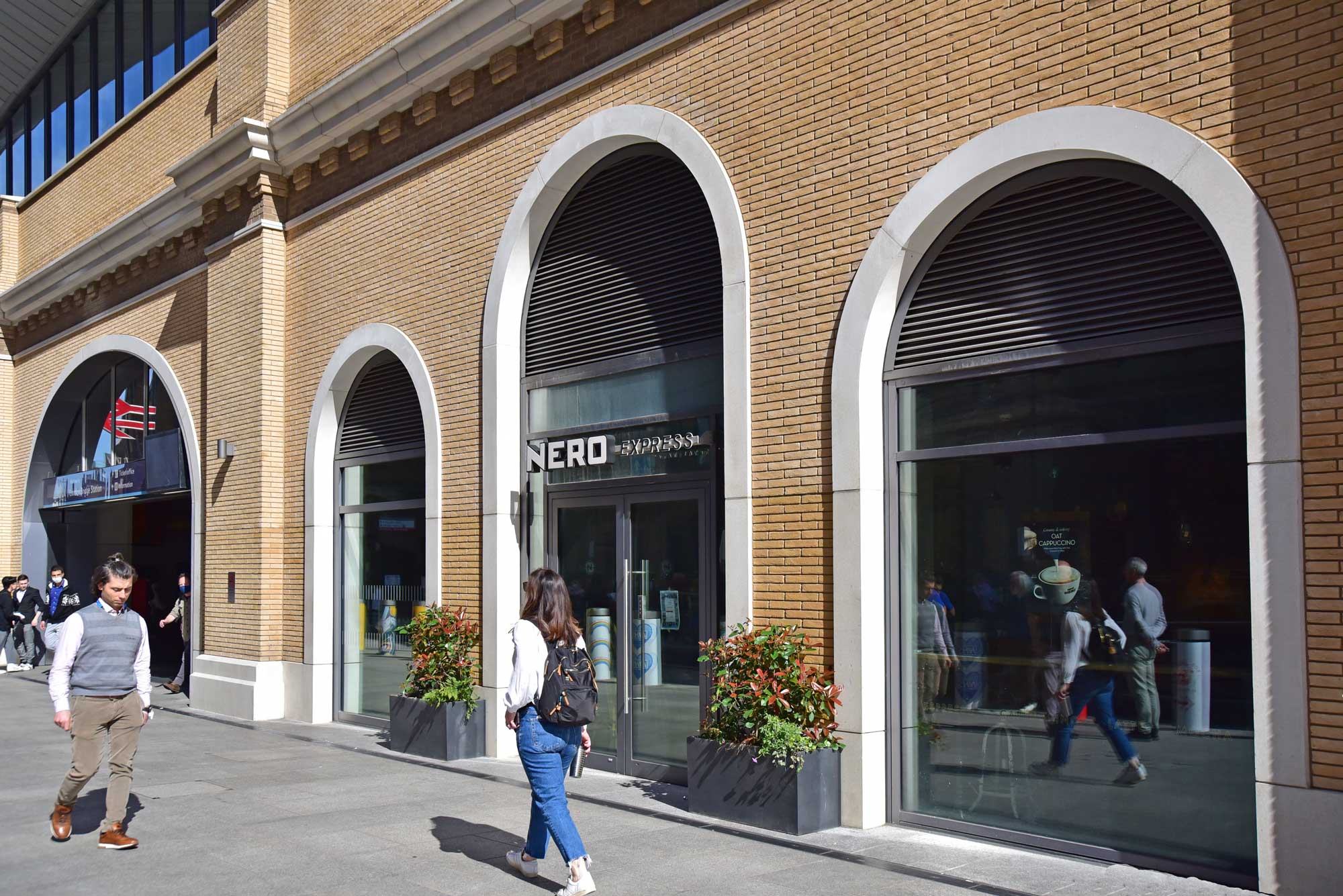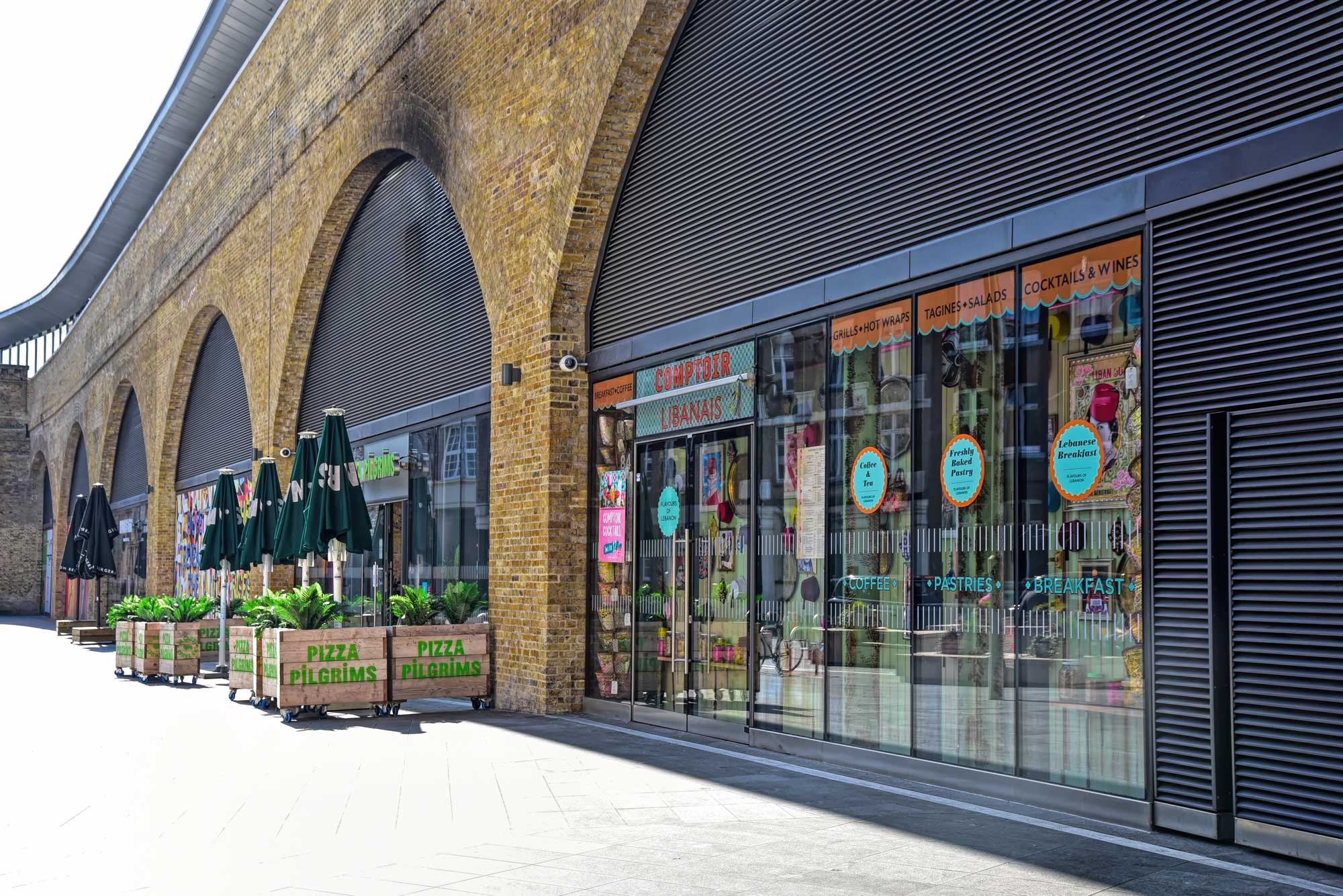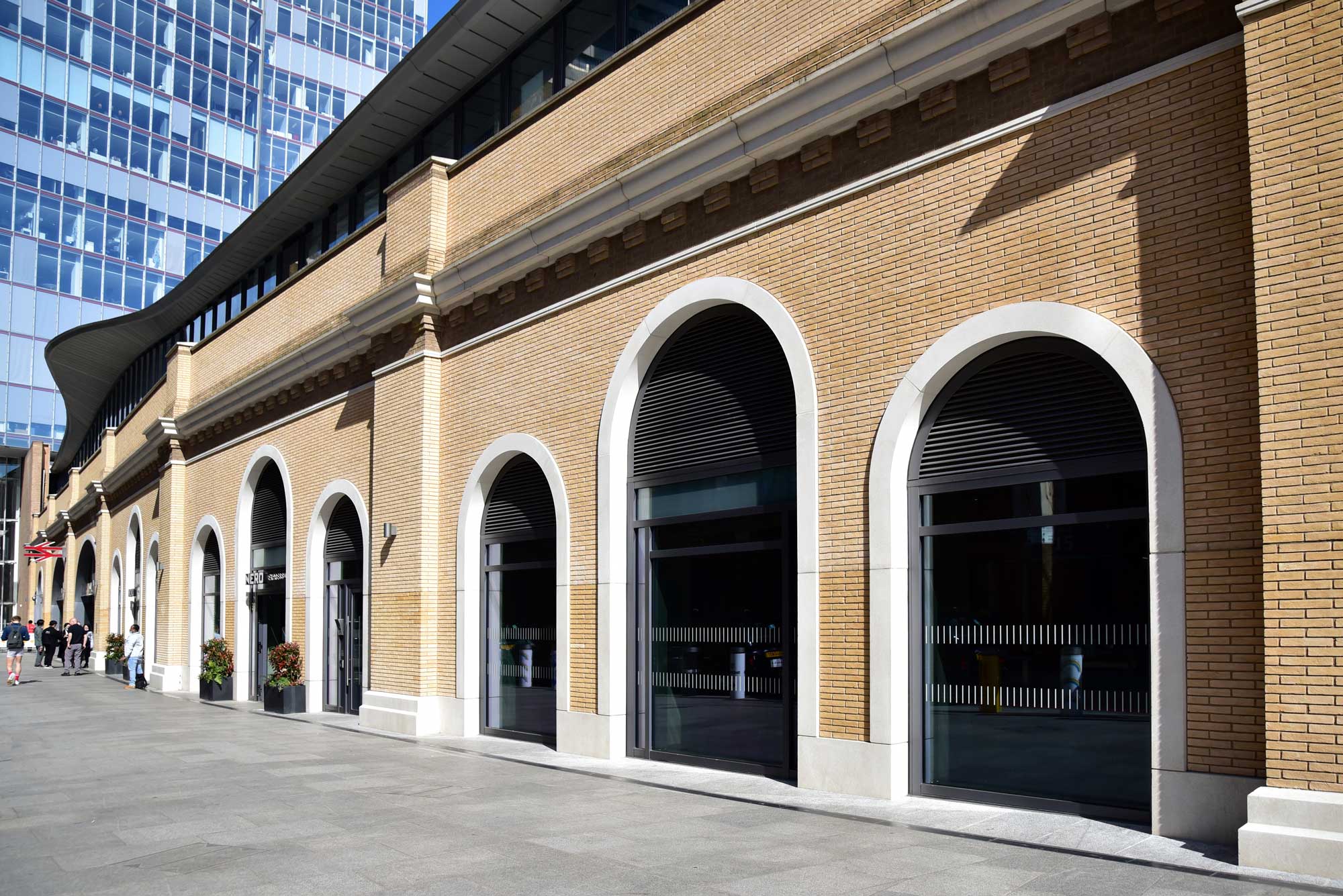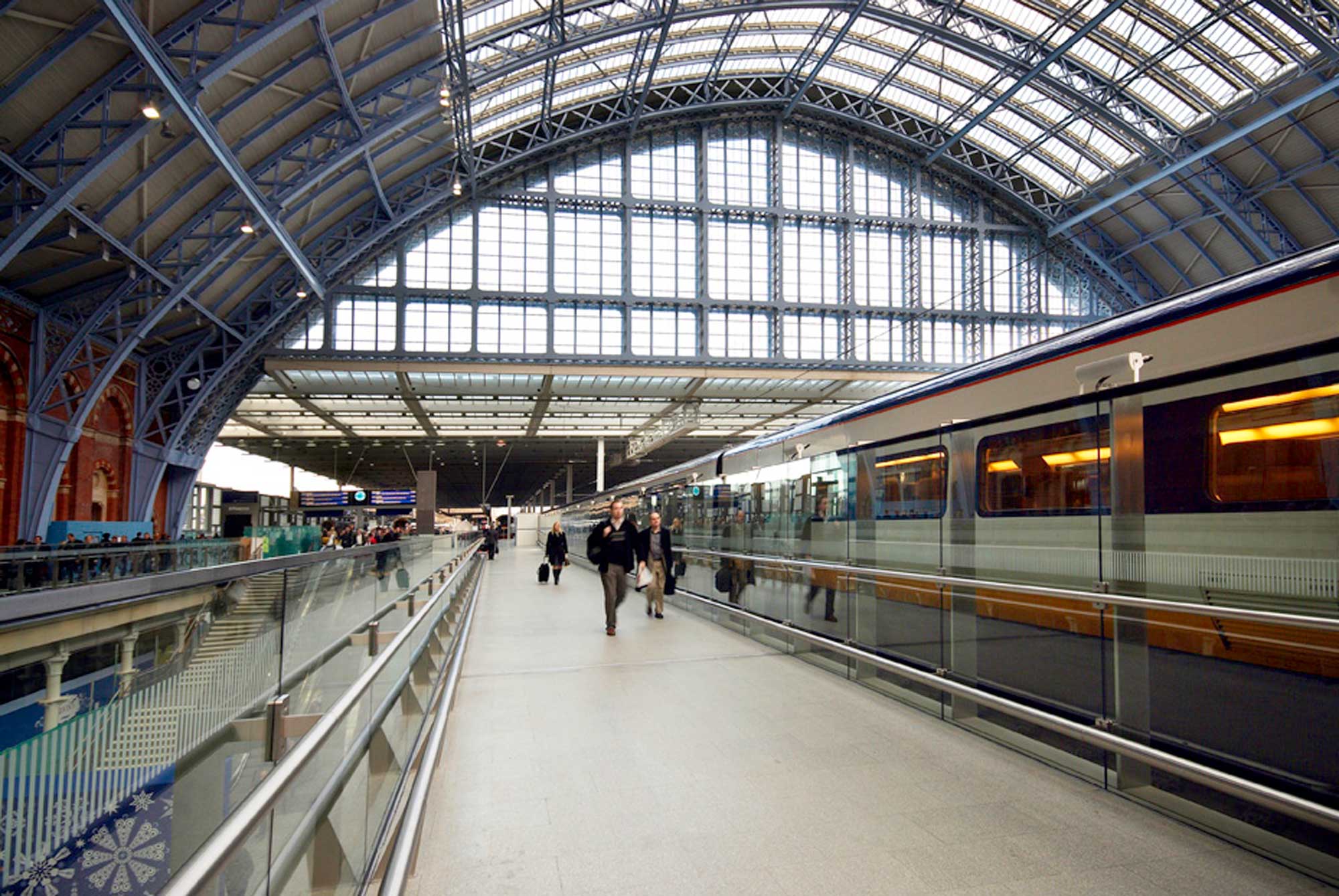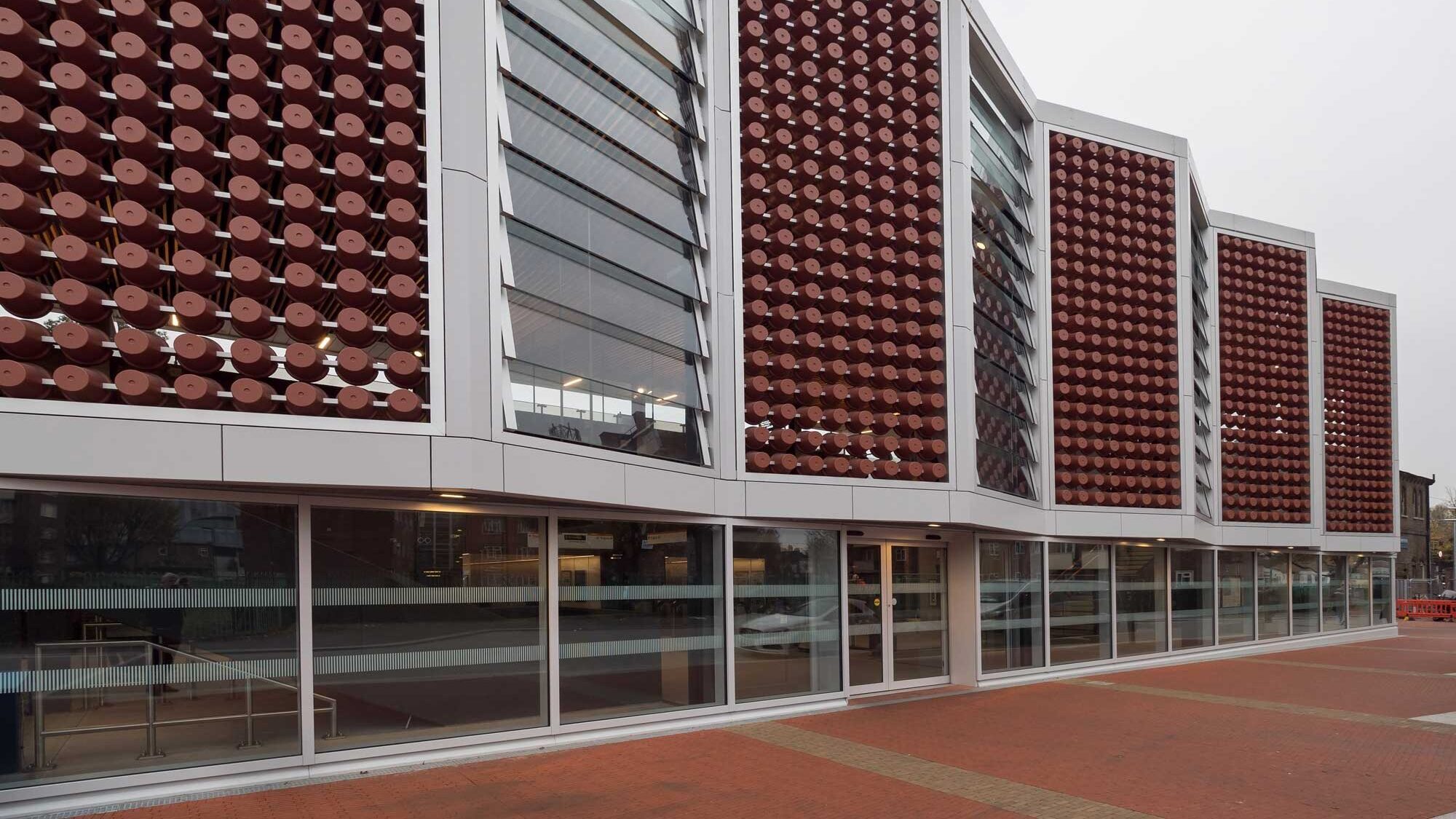
Blast resistant glass, also known as explosion-resistant or blast-proof glass is a specialised type of safety glass designed to withstand the force of explosions, providing enhanced protection in buildings and structures.
Commonly used in high-security environments such as government buildings, banks, airports, railway stations etc. This glass is typically made from multiple layers of laminated glass and specialised interlayers that absorb and dissipate the energy from a blast. This layered structure prevents the glass from shattering into dangerous fragments, keeping the impact localised and reducing injuries from flying glass.
Our Approach
To fulfil your security requisites, ballistic or blast resistant glazing can be seamlessly integrated into various projects. Commonly integrated within curtain walling, blast resistant glass stands as a safeguarding measure against potential threats.
Similar to fire and smoke resistant glass, blast resistant glazing undergoes rigorous testing according to EN 13541:2000 ‘Glass in building – Security glazing – Testing and classification of resistance against explosion pressure.’ Our portfolio proudly includes these advanced security features, and our expertise ensures their effective incorporation into designs.
Design Flexibility
Blast and ballistic-resistant glazing offers exceptional design flexibility, allowing architects to achieve both safety and aesthetics. With customizable shapes, sizes, materials, and finishes, these glazing systems can be seamlessly integrated into a wide variety of architectural designs, from modern and minimalistic to bespoke and decorative. The ability to maintain transparency, integrate with curtain wall systems, and adapt to frameless designs ensures that high-security environments do not have to sacrifice visual appeal or architectural creativity.
Blast Resistant Glass Types
Within the realm of blast resistant glass, diverse solution types cater to varied architectural requirements: Here are the types of blast resistant glazing we deliver:
Framed Blast Resistant Glass
Framed blast-resistant glazing incorporates glass panels that are securely held within a robust frame, typically made from materials like steel or aluminum. This frame provides additional structural support to the glass, ensuring that it remains intact even during an explosion.
Frameless Blast Resistant Glass
Frameless blast-resistant glazing eliminates the need for a visible supporting frame around the edges of the glass. Instead, the glass is secured using discreet fixings or brackets, creating a minimalist and sleek appearance while still offering protection from explosive forces.
Bolted Blast-Resistant Glass
Bolted blast-resistant glazing uses visible mechanical fixings, such as bolts, to secure the glass panels directly to the building’s structure. These bolts offer both aesthetic and functional benefits by creating a robust, industrial look while providing necessary support against blast impacts.
Bespoke Blast Resistant Glazing
Bespoke blast-resistant glazing refers to custom-designed systems tailored to meet the specific needs of a project. These systems can incorporate a variety of materials, fixings, and design features to ensure both functionality and aesthetic appeal, with each aspect being designed based on the building’s unique security requirements.
Benefits of Blast Resistant Glass
Life-saving protection and peace of mind
Blast resistant glazing provides a critical safety barrier in high-risk or vulnerable environments. It is designed to absorb and dissipate explosive forces, reducing the risk of shattering and fatal injury. The resilience of this glazing offers real confidence for occupants and visitors.
Architectural transparency without compromise
Unlike solid barriers, blast resistant glass maintains visual openness and aesthetic clarity. It ensures buildings can remain light-filled, welcoming, and connected to their surroundings while delivering essential security.
Customised performance profiles
Blast resistant glass can be tailored to meet specific threat levels and performance standards. Options include laminated, insulated, and multi-layered configurations – from blast-rating PB1 through PB7 – offering design flexibility while maintaining safety integrity.
Integration with existing systems
These glazing systems can be seamlessly incorporated into curtain walls, windows, storefronts, doors, and internal partitions. This means consistent brand expression and architectural coherence alongside peak performance under threat conditions.
Safety under impact and ballistic events
Many blast resistant glazing solutions offer ballistic resistance alongside blast protection. This dual capability is essential for high-security facilities, embassies, government buildings, and critical infrastructure, protecting occupants from multiple threat vectors.
Enhanced structural resilience
Panels are engineered to resist structural loads, thermal movement, pressure differentials, and mechanical stress. This robustness reduces the likelihood of glass failure during extreme events, maintaining barrier integrity.
Durability and lifecycle efficiency
Blast resistant glazing is built to last. The glasses and framing systems are corrosion-resistant and require minimal upkeep. If damage occurs, modular panels can be replaced efficiently – minimising disruption and lifecycle costs.
Acoustic performance and comfort
High-performance laminated glass not only withstands blasts but also provides superior sound insulation. This dual benefit makes it ideal for buildings in noisy or high-security zones – offering comfort while safeguarding safety.
Sustainability credentials
Many blast resistant glass systems are recyclable and can be responsibly sourced. When combined with energy-efficient coatings and insulated units, they can contribute to sustainability criteria like BREEAM and LEED.
Operational continuity and resilience planning
In the event of an incident, blast resistant glazing helps ensure the building envelope remains intact, supporting ongoing operations and reducing downtime. This resilience is invaluable for businesses, institutions, and public facilities.
Conclusion
Blast resistant glass is not just a security feature – it is a strategic design tool that balances transparency, safety, durability, and continuity. It allows buildings to present an open, welcoming facade while meeting rigorous protective standards.
At OAG, our blast resistant glass solutions are engineered and delivered with specialist precision and integrated project management. Our process includes:
Early-stage risk assessment and glazing performance profiling
Detailed structural and load analysis to ensure compliance with blast standards
Glass specification including laminate layers, interlayers, coatings, and thickness
Compatible framing systems designed to anchor high-performance glazing safely
Coordination with architectural, security, and mechanical-electrical teams
On-site installation with rigorous sealing, alignment, and quality control
Lifecycle support with maintenance guidelines and quick-panel replacement
Warranty management and service plans for long-term protection
Our installations include government buildings, critical infrastructure, financial institutions, and high-profile corporate environments – projects where security meets design integrity.
As global risk and security awareness grow, demand for protective yet visually accessible solutions will rise. Blast resistant glazing offers a future-focused solution – balancing openness, resilience, and peace of mind. With OAG as your partner, your protective glazing will be thoughtfully integrated, expertly engineered, and built to perform under pressure.