Frequently Asked Questions on Glass Facades
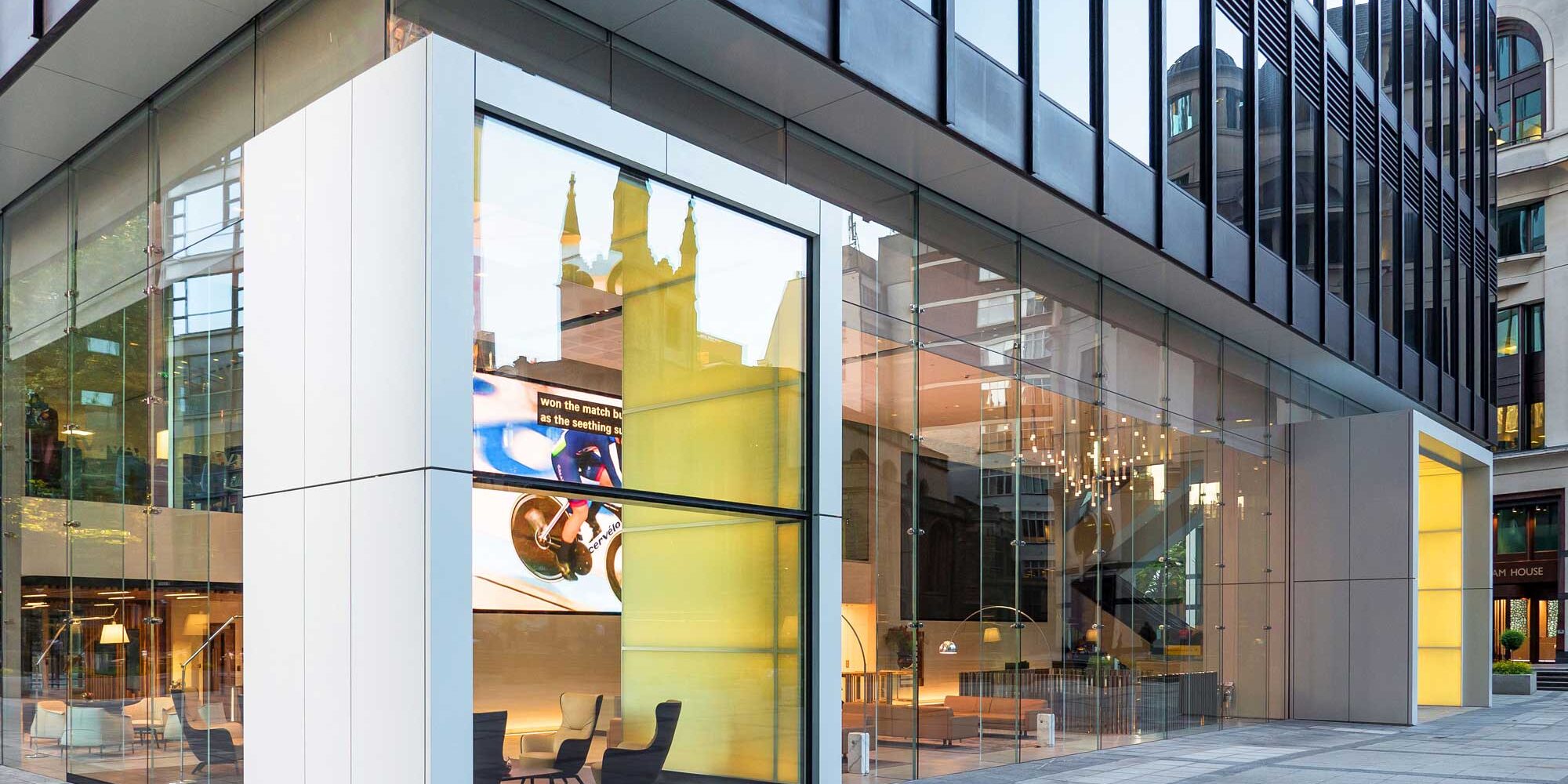
Glass facades are exterior building walls primarily made of glass, designed to allow natural light into interior spaces while providing aesthetic appeal and environmental benefits.
Glass facades enhance natural light, improve energy efficiency, and create a visually appealing, modern look. They also contribute to thermal insulation and soundproofing, making them ideal for commercial and residential buildings.
There are several types of glass used, including double or triple-glazed units for thermal performance, laminated glass for safety, and low-emissivity (Low-E) glass to reduce heat transfer while allowing natural light.
With advanced materials like Low-E coatings and insulated glazing, glass facades can significantly reduce heat loss or gain, contributing to energy efficiency. This helps maintain a stable internal environment, reducing the need for heating and cooling systems.
Yes, glass facades can be designed to meet sustainability standards. Features like solar control coating, energy-efficient glass, and recyclable materials can help reduce a building’s carbon footprint while improving thermal performance.
Structural integrity is ensured by careful engineering of the framing systems, the use of toughened or laminated glass, and the integration of support structures like steel or aluminium framing. This ensures the glass is capable of withstanding wind loads and other environmental stresses.
With proper maintenance, glass facades can last several decades. Factors such as the quality of the materials used, environmental exposure, and the upkeep of sealants and fixings play a role in the lifespan of the system.
Yes, modern glass facades are designed with safety in mind. Laminated glass, for instance, holds together when shattered, reducing the risk of injury. Toughened glass breaks into small, less harmful pieces, further enhancing safety.
Glass facades require regular cleaning to maintain their appearance and performance. Additionally, periodic inspections of sealants, fixings, and framing systems are recommended to ensure longevity and structural integrity.
Glass facades can be highly effective for insulation when combined with double or triple glazing and thermal breaks. They also offer excellent acoustic performance, especially when laminated glass with acoustic interlayers is used, reducing external noise pollution.
Absolutely. Glass facades are highly versatile and can be tailored to meet specific architectural requirements, from custom shapes and sizes to specialised coatings that control light, heat, and glare. Facades can also incorporate other materials, like metal or stone, for a bespoke design.
At OAG we will put together a façade package that makes the right impression, meets your design aspirations using the most economic systems and materials to match with your cost plan. Find out more here or contact us for expert advice and tailored solutions.