Frequently Asked Questions on Architectural Glazing
Architectural glazing refers to glass in building construction for functional and aesthetic purposes. It includes various types of glass installations such as windows, curtain walls, skylights, and glass facades, which contribute to the building’s energy efficiency, natural lighting, and overall design.
There are several types of architectural glass, including:
- Tempered glass: Strong and durable, used for safety.
- Laminated glass: Consists of two or more layers, providing security and sound insulation.
- Insulated glass units (IGUs): Composed of multiple glass panes separated by a gas-filled space to improve thermal performance.
- Low-emissivity (Low-E) glass: Coated to reduce heat transfer and improve energy efficiency.
- Tinted and reflective glass: Reduces glare and solar heat gain.
Architectural glazing offers numerous benefits:
- Energy efficiency: Reduces heating and cooling costs.
- Natural light: Enhances indoor environment and reduces artificial lighting needs.
- Aesthetic appeal: Adds modern and sleek design elements.
- Sound insulation: Improves acoustic comfort.
- Safety and security: Advanced glazing options provide enhanced protection.
When selecting architectural glazing, consider:
- Thermal performance: Choose glazing that enhances energy efficiency.
- Sound insulation: Opt for glazing that reduces noise transmission.
- Safety and security: Select glass that meets safety standards.
- Aesthetic requirements: Ensure the glazing complements the building design.
- Budget: Consider the cost and long-term savings.
Safety in architectural glazing is ensured using materials such as:
- Tempered glass: Breaks into small, less harmful pieces.
- Laminated glass: Holds together when shattered, providing a barrier.
- Heat-strengthened glass: Offers increased strength and resistance to breakage.
Maintenance for architectural glazing includes:
- Regular cleaning: Use appropriate cleaning agents to maintain clarity.
- Inspection: Periodically check for cracks, seal failures, or other damage.
- Repairs and replacements: Address any issues promptly to ensure longevity and performance.
Architectural glazing contributes to sustainability by:
- Reducing energy consumption: Enhances insulation, lowering heating and cooling needs.
- Increasing natural light: Decreases reliance on artificial lighting.
- Durability and longevity: High-quality glazing materials reduce the need for replacements.
- Recyclability: Many glazing materials can be recycled at the end of their life cycle.
Current trends in architectural glass include:
- Smart glass: Changes tint in response to light conditions.
- Photovoltaic glazing: Generates electricity from sunlight.
- Large-format glazing: Creates expansive views and enhances aesthetics.
- Advanced coatings: Improves performance and aesthetics.
- Innovative designs: Incorporates unique shapes and configurations for modern architecture.
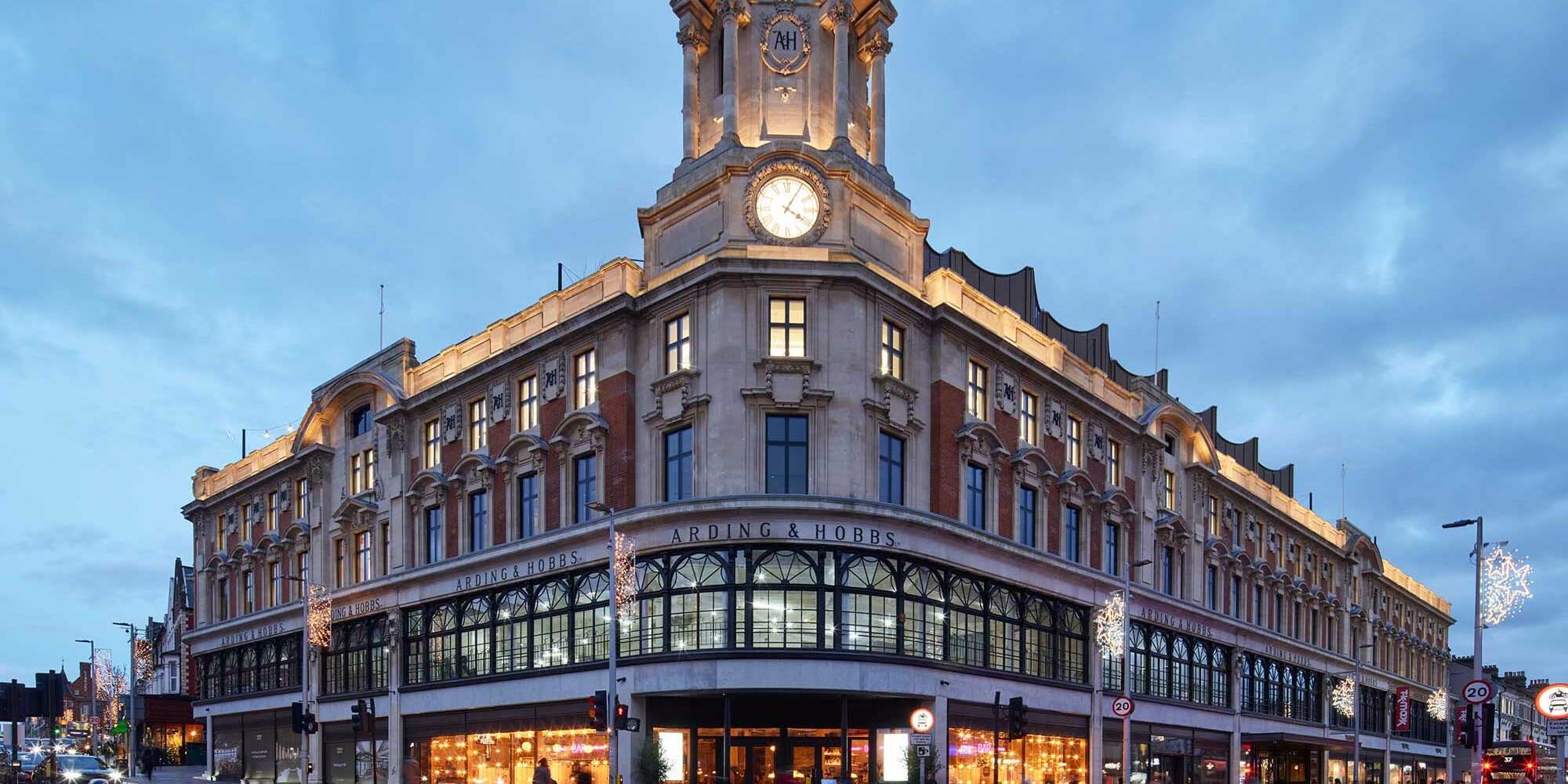
OAG has been delivering exceptional architectural glass solutions since 1995. With decades of experience, we have successfully completed numerous high-profile projects across the UK, including iconic buildings like Battersea Power Station and Arding & Hobbs. Our extensive portfolio demonstrates our capability to handle complex and diverse projects.
We support our clients from the initial design stages through to installation and aftercare. Our approach includes pre-contract assistance, detailed planning, procurement, and continuous after-sales service. We ensure each project phase is meticulously managed to meet high standards of performance and safety
OAG works on projects of all sizes and complexities, from small maintenance packages to large-scale constructions. Our divisions include Major Projects for large schemes, OAG Select for smaller packages, and our OAG Fire division for certified fire and smoke glazing solutions.